Buy Azithromycin Online | UK Online Doctor
Azithromycin 500mg — what it is, how it's prescribed in the UK
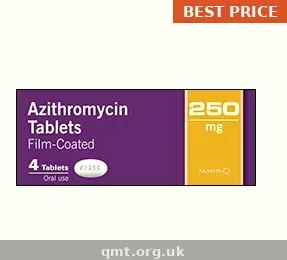
Azithromycin, a member of the macrolide antibiotics, is widely recognised for its broad bacterial coverage and well-balanced safety profile. First developed for clinical use in the 1980s, it is now firmly embedded in standard protocols across NHS and private healthcare settings. Available as a cost-effective generic, azithromycin is regularly prescribed under the brand name Zithromax among others—but high-quality generics offer the same clinical efficacy at a fraction of the cost, starting from as little as £0.59 per tablet.
The active ingredient, azithromycin dihydrate, acts to halt bacterial protein synthesis, making it a mainstay treatment for respiratory, skin, urogenital, and some gastrointestinal infections. It is listed on the WHO Model List of Essential Medicines and is widely referenced in National Institute for Health and Care Excellence (NICE) guidelines.
How Azithromycin Works: Pharmacology Explained
Azithromycin belongs to the azalide subclass of macrolides. Mechanistically, it binds to the 50S subunit of bacterial ribosomes, thereby inhibiting microbial protein synthesis. This action is bacteriostatic—preventing bacteria from multiplying—although at higher concentrations or in certain tissues, azithromycin can exert bactericidal activity.
- Pharmacokinetics: Well absorbed orally, azithromycin attains high tissue concentrations with a long half-life (typically 68 hours), allowing for short-course regimens that enhance adherence.
- Elimination: Primarily hepatic, with extended release into bile; only a small portion is excreted renally.
- Coverage: Particularly effective against Streptococcus pneumoniae, Haemophilus influenzae, Moraxella catarrhalis, Chlamydia trachomatis, Neisseria gonorrhoeae, Mycoplasma pneumoniae, and several atypical pathogens.
Azithromycin's ability to concentrate in target tissues makes it especially effective in treating bacterial infections where localised tissue concentrations are crucial.
Who Benefits Most from Azithromycin?
NHS and private online doctor services routinely select azithromycin for patients who require a broad-spectrum antibiotic with:
- Documented allergy to penicillin (azithromycin is a safe alternative for those intolerant to beta-lactams)
- Gonorrhoea and chlamydia infections, including uncomplicated urogenital, rectal, and pharyngeal presentations
- Acute exacerbations of chronic bronchitis and COPD (especially when alternatives are contraindicated)
- Mild to moderate community-acquired pneumonia (especially for atypical organisms)
- Paediatric indications including otitis media and pharyngitis, where convenient dosing is desired
- Travel-related infections such as traveller’s diarrhoea or certain tick-borne diseases
- Dermatological uses for acne and some soft-tissue infections
Azithromycin is not appropriate for all patients and is not a first-line agent in severe sepsis or when resistance rates are high. A GPhC-registered UK pharmacist or online doctor can confirm if it's suitable in your case.
Dosage Titration: Finding the Right Regimen
Azithromycin dosing is streamlined for ease of use. The most common adult dosages in the UK are 250mg and 500mg tablets. Course duration and dosage depend on the infection type, patient age, kidney and liver function, and clinical severity. Below is a quick reference table reflecting usual dosing for adults and older children:
| Indication | Standard Adult Dose | Usual Duration | Notes |
|---|---|---|---|
| Chlamydia (uncomplicated genital) | 1,000mg as a single dose (2 x 500mg) |
Once only | Directly observed dosing preferred |
| Respiratory infections (e.g. pneumonia) | 500mg daily | 3 days | Short course, convenient |
| Skin/soft tissue infections | 500mg day 1, then 250mg daily |
4–5 days | Loading followed by maintenance |
| Traveller's diarrhoea or Salmonella | 500mg daily | 3 days | Consider local resistance |
| Paediatric use (weight-based) | 10mg/kg (max 500mg) | 3 days | Liquid preparation often used |
Always follow the exact dosing advised by your GP or online pharmacy's medical team. Azithromycin is usually swallowed whole with water and can be taken with or without food, though taking it with a light meal may reduce stomach upset. For genitourinary STIs, partner treatment and avoidance of sexual contact during therapy are strongly advised.
Azithromycin Cost Analysis: Value & Price Comparison
Price transparency is crucial, especially when comparing branded and generic antibiotics. Generic azithromycin provides full clinical effectiveness for a substantially lower cost than branded alternatives. Below is a summary of UK market prices (April 2024) for generic azithromycin supplied by GPhC-registered online pharmacies:
| Tablet Strength | Pack Size | Price per Tablet | Total Cost | Private Prescription Included? |
|---|---|---|---|---|
| 250mg | 6 tablets | £0.59 | £3.54 | Yes |
| 500mg | 3 tablets | £1.19 | £3.57 | Yes |
| 500mg | 6 tablets | £0.99 | £5.94 | Yes |
| 500mg | 10 tablets | £0.85 | £8.50 | Yes |
These prices commonly include a free private prescription covering NHS and non-NHS indications, along with discreet, trackable next day delivery—making generic azithromycin from a trusted UK pharmacy an affordable option for most users.
Why Order Azithromycin Online?
Ordering azithromycin online from a GPhC-registered UK pharmacy offers substantial advantages for today's patients:
- Convenience: Skip GP waiting lists – secure an online assessment and prescription without leaving home.
- Privacy: Receive medication in plain, discreet packaging with full confidentiality—a crucial benefit for sexual health or travel-related conditions.
- Speed: With next day delivery, many UK online pharmacies ship orders placed before 4pm for guaranteed 24-hour tracked receipt.
- Cost savings: Generic azithromycin at online pharmacies can be under half the cost of typical high street prices, with bulk pricing as low as 40p per pill on higher pack sizes.
- Consultation included: All orders involve a GMC-registered doctor or Independent Prescriber review for patient safety and compliance with UK regulation.
Reputable providers are always regulated by the MHRA and GPhC—look for visible verification, SSL encryption, and clear refund or money-back guarantees.
Safety Profile & Side Effects
Azithromycin is generally well tolerated; its broad prescription history underpins its safety. Nonetheless, as with all antibiotics, side effects and rare serious reactions can occur:
- Most common: Mild gastrointestinal upset (nausea, diarrhoea, abdominal discomfort), headache
- Less common: Transient changes in taste, mild rash, photosensitivity
- Rare but important: QT interval prolongation—particularly in those with pre-existing heart rhythm problems or those using certain other medications
- Very rare: Severe skin reactions (Stevens-Johnson syndrome), severe diarrhoea (pseudomembranous colitis)
For the majority, these side effects are mild and self-limiting. If you experience severe or unexplained adverse effects, discontinue treatment and consult a healthcare professional immediately. Do not use azithromycin if you have ever had an allergic reaction to macrolide antibiotics or if specifically advised by your doctor.
Drug Interactions to Consider
Azithromycin, unlike many other macrolides, has a lower risk of clinically significant drug interactions, but caution remains necessary:
- Medicines that can affect heart rhythm: In combination with other QT-prolonging agents (e.g. sotalol, amiodarone, citalopram), there is a theoretical risk of arrhythmia.
- Warfarin: May potentiate anticoagulant effect; monitor INR if co-prescribed.
- Antacids containing aluminium or magnesium: May reduce azithromycin absorption; separate dosing by at least 2 hours.
- Ergot derivatives: Contraindicated due to risk of ergotism.
- Cyclosporine, digoxin: Azithromycin may alter serum levels—monitor accordingly.
Always provide a full medicines list to your online doctor or pharmacist before ordering. This ensures safe and effective treatment for your individual clinical context.
Best Practices for Storage
Proper storage safeguards the stability and effectiveness of your antibiotics:
- Store azithromycin tablets at room temperature (below 25°C), away from direct sunlight, moisture, and heat sources.
- Keep all medicines in their original, tamper-proof blister or pharmacy packaging.
- Ensure medicines are kept out of reach and sight of children and pets.
- Do not use after the expiry date marked on the packaging.
- Dispose of leftover antibiotics properly—return unused medicines to your pharmacy for environmentally safe destruction.
Azithromycin oral suspension (liquid) should also be protected from light, used within the specified time after opening (usually 5 days), and refrigerated if advised by your pharmacist.
Alternatives: How Does Azithromycin Compare to Other Antibiotics?
While azithromycin is a versatile antibiotic, alternative agents may be preferred in certain clinical settings. Here’s a concise overview:
| Antibiotic | Main Uses | Strengths | Limitations |
|---|---|---|---|
| Azithromycin | Respiratory, skin, genitourinary, travel-related infections | Short courses, penicillin alternative, high tissue concentration | Ineffective in some resistant organisms, QT prolongation risk |
| Amoxicillin | Respiratory, ENT, skin, urinary infections | First-line for many common infections, rapid action | Not suitable in penicillin allergy, less effective for atypical pathogens |
| Doxycycline | Chest infections, acne, STIs, malaria prophylaxis | Versatile, cost-effective, strong for atypical bacteria | Photosensitivity, not for under 12s or pregnancy |
| Clarithromycin | Chest, skin, dental infections | Macrolide class, useful when penicillins unsuitable | More CYP3A4 interactions, metallic taste, higher GI side effects |
| Metronidazole | Anaerobic, dental, abdominal, genitourinary infections | Highly effective for anaerobes | No alcohol use, metallic taste, neurotoxicity rare |
Talk to your doctor or qualified pharmacist for personalised guidance—they will consider your symptoms, history, allergies, and local resistance patterns before recommending the most appropriate treatment.
Summary: The Role of Azithromycin in UK Pharmacy Practice
Azithromycin remains a central component in the modern prescriber’s toolkit—its efficacy, tolerability, and easy availability as a generic make it a go-to option for a broad range of acute bacterial infections. Ordering generic azithromycin online from a GPhC-registered pharmacy delivers clinical confidence, privacy, affordability, and regulatory oversight from the MHRA, all with the security of a money-back guarantee and expert pharmacy support.
If you have further questions about azithromycin, dosing, or its suitability for your individual needs, consult a GPhC-registered pharmacist or a UK-based Online Doctor. Always complete the full prescribed course, never share antibiotics, and return any unused medicines to your pharmacy for safe disposal.
Other treatments we dispense